Chimney Liner Repair in Hopatcong, NJ
Chimney liner repair in Hopatcong, NJ deals with the part of the chimney you never see. The liner is the inner channel that carries smoke and flue gas up and out. When it cracks or corrodes, heat and gas reach the brick, the framing and sometimes the living space.
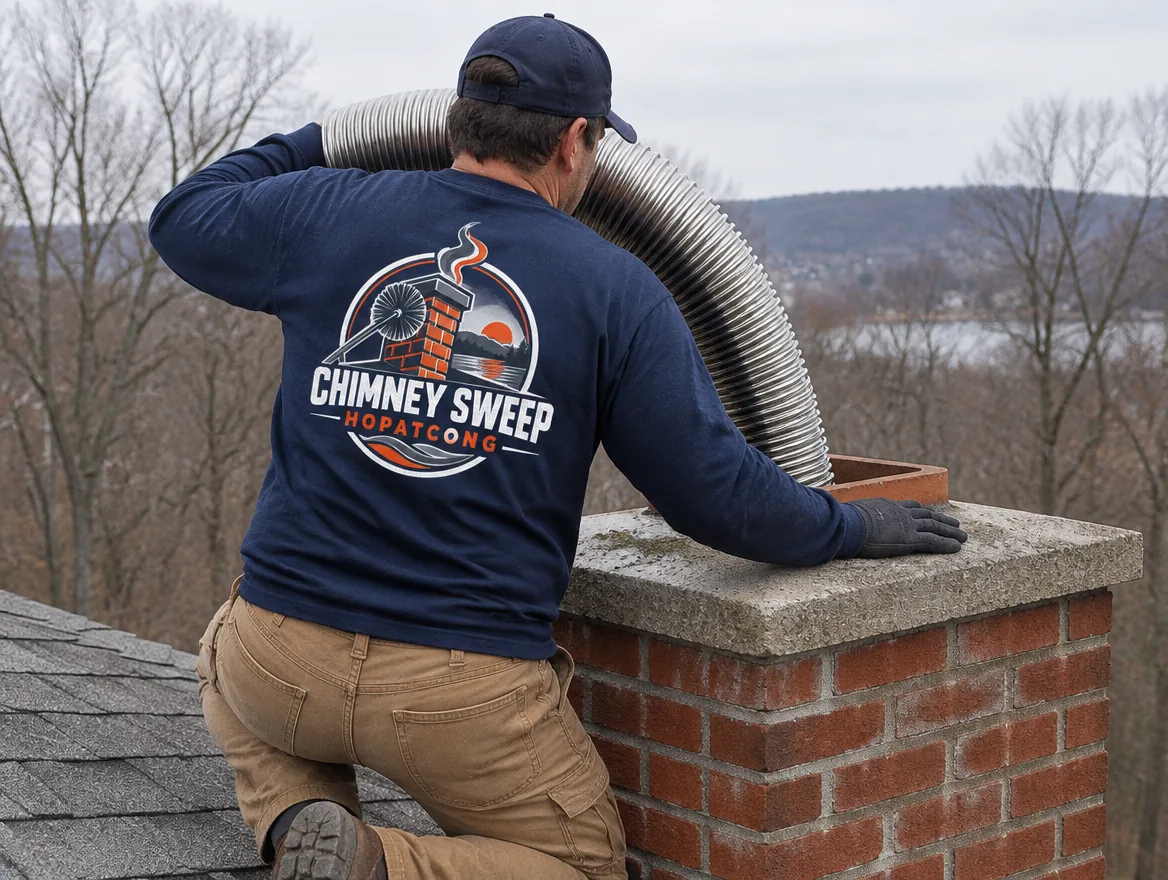
Contains heat and flue gas and gives the appliance a correctly sized flue.
Clay tile in masonry chimneys. Stainless steel for stoves, inserts and relining.
A camera inspection. Liner cracks are rarely visible from the firebox.
Why the liner matters
Brick and mortar are not gas-tight and they do not handle direct flue heat well for long. The liner is what stands between a fire and the structure of the house. It also sets the size of the flue, and size controls draft. Too large a flue for the appliance and the smoke cools, slows and leaves creosote behind.
How clay tile liners fail
Most masonry chimneys are lined with stacked clay tiles joined with mortar. Clay handles steady heat well and sudden heat badly. A chimney fire, or a hot fire in a very cold flue, can crack tiles from top to bottom. The mortar between tiles also erodes over the years, leaving gaps at every joint.
How metal liners fail
Stainless steel liners resist heat but not everything that condenses inside them. Acidic moisture from wood smoke and from gas and oil exhaust can pit and perforate a liner, especially one made from a grade of steel that does not suit the fuel.
Converted cottages and added stoves
Hopatcong has many houses that were built for summer use and upgraded later. It is common in homes like these to find a wood stove or insert venting into an old fireplace flue that is far wider than the stove's outlet, or an older chimney that was never lined at all. Both situations are corrected with a properly sized liner.
Liner problems are confirmed with a Level 2 chimney inspection. The flue is swept first so the camera can see the surface. If your fireplace itself is damaged, see fireplace repair.
Repair or reline
Joint repair
When the tiles are sound but the mortar between them has eroded, the gaps can be refilled from inside the flue with refractory material.
Resurfacing
A refractory coating applied to the inside of a clay liner seals hairline cracks and small gaps without removing the tiles.
Stainless relining
A continuous stainless steel liner, insulated where required, is installed from top to bottom. The usual answer for broken tiles, unlined flues and stove or insert connections.
Signs of a damaged chimney liner
- Clay tile fragments in the fireboxTiles are cracking and shedding.
- Soot or stains on walls near the chimneyFlue gas may be escaping through the masonry.
- A fireplace that suddenly drafts poorlyA shifted tile or collapsed liner can obstruct the flue.
- Heavy creosote soon after sweepingThe flue may be the wrong size for the appliance.
- Rust flakes at the base of a metal linerThe liner is corroding from condensation.
- Any history of a chimney fireTiles often crack during one, even when the fire seemed small.
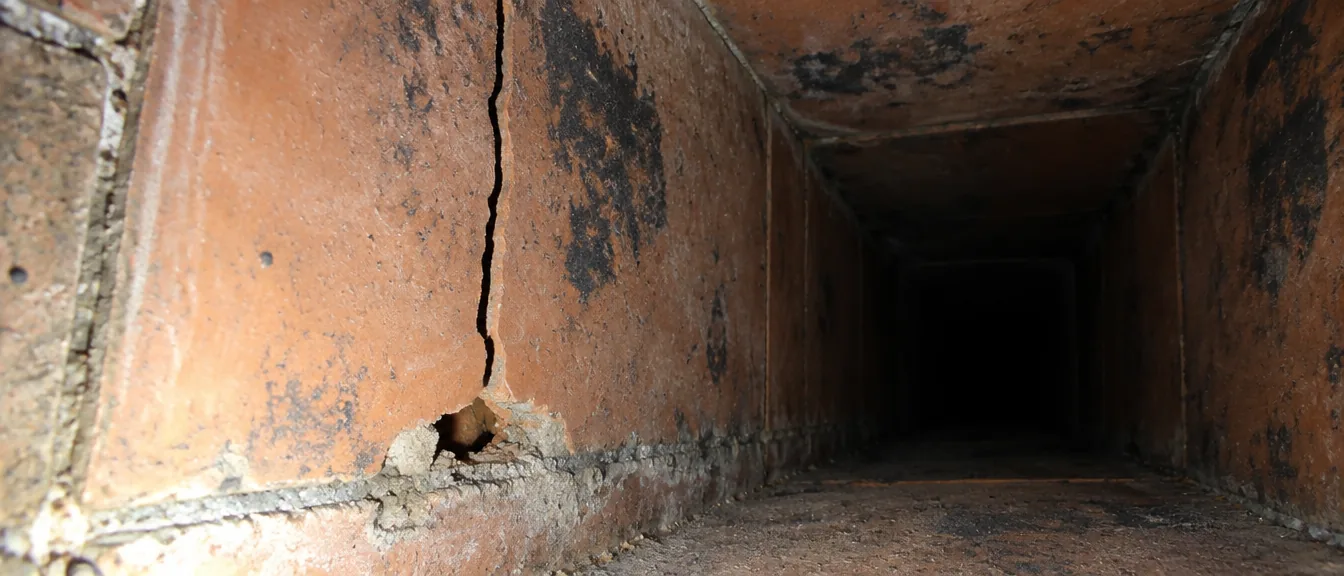
Common questions about chimney liners
Can I use the fireplace with a cracked liner?
It is not recommended. A cracked liner lets heat and flue gas reach parts of the house that were never meant to see them. Have it assessed before the next fire.
Does a wood stove insert need its own liner?
In nearly all cases, yes. An insert should connect to a stainless liner sized to its flue collar and running the full height of the chimney.
How long does a stainless liner last?
A liner made from the right alloy for the fuel, installed correctly and swept regularly, typically lasts for decades. Many carry long manufacturer warranties.